
10 Friendly Chicken Breeds For Your Backyard Flock
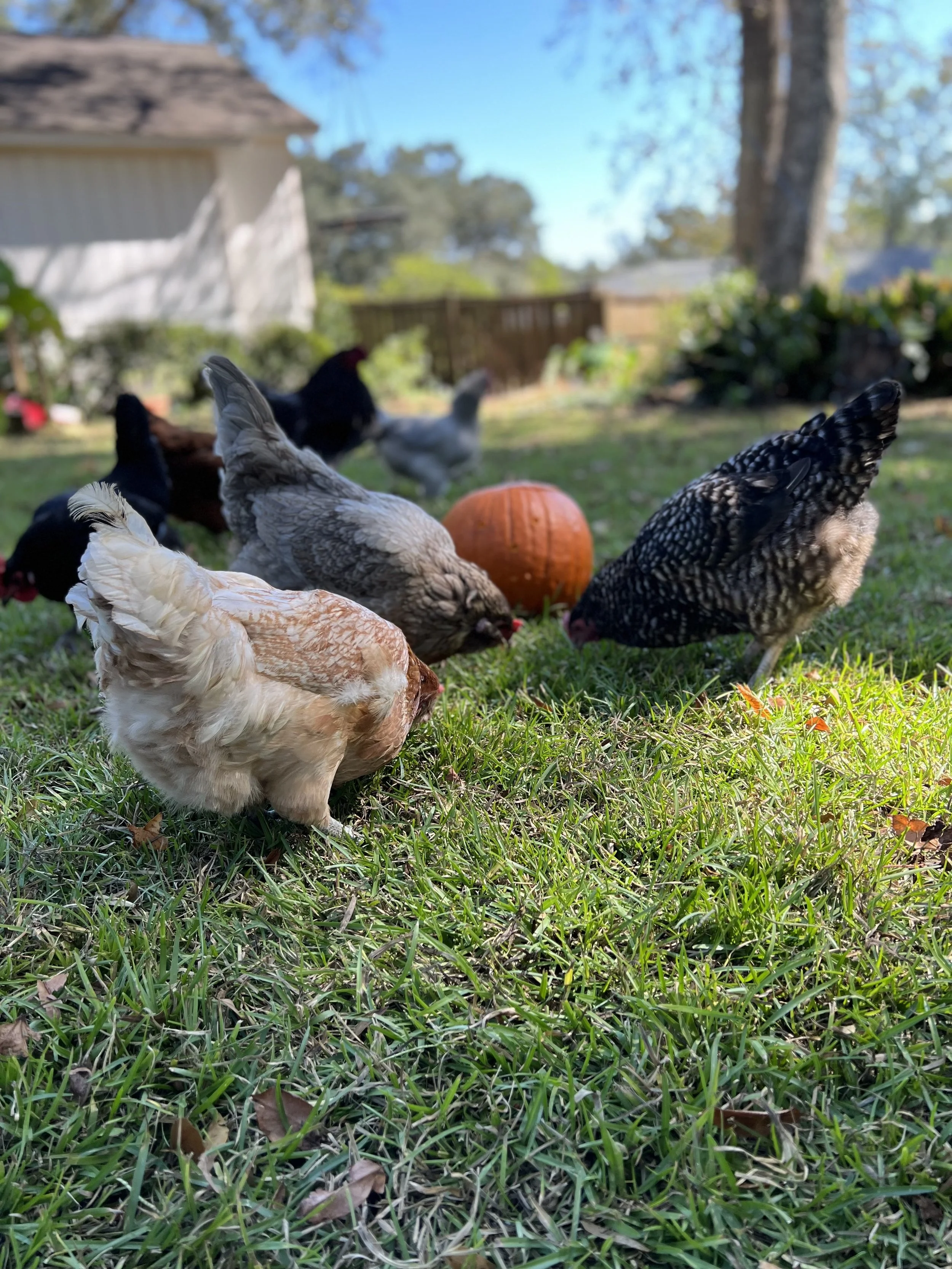
Our flock loves to freerange together in the garden
Some of our fondest memories with backyard chickens haven’t been about egg counts. While we certainly appreciate their tasty contributions to breakfast, we enjoy their quirky personalities just as much. When it comes to personality, some chicken breeds will come when called, tolerate being picked up, and even wander around the garden beside you.
As a family with children, we wanted breeds that would be docile, friendly, and tolerant. Over the years, we’ve kept more than 20 different breeds of chickens. Some are excellent producers, some are strikingly beautiful, but it’s the friendly ones that find a special place in our hearts. We’ve even had a couple that behaved like tiny, feathered dogs around the outdoor dinner table.
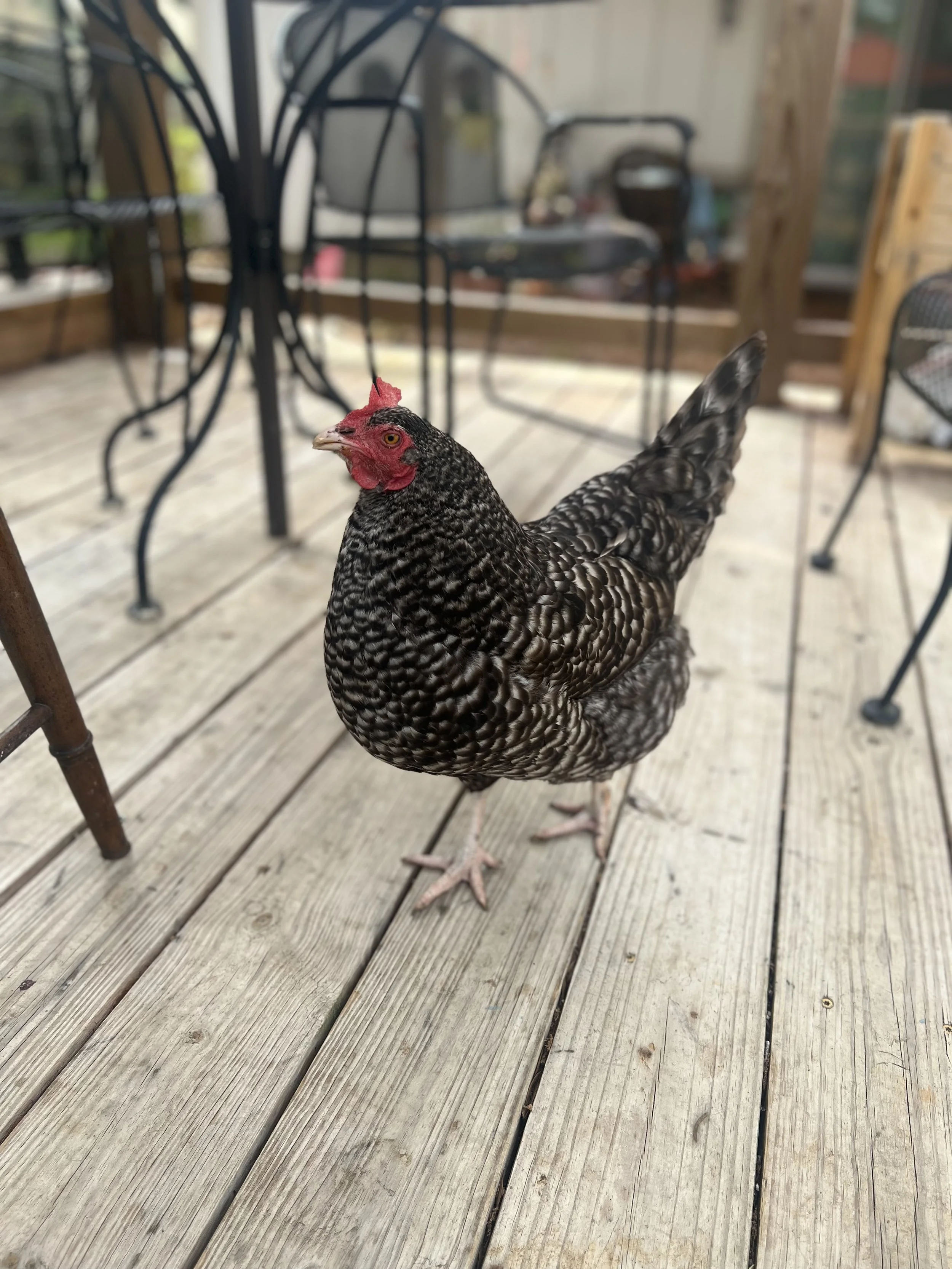
Sophie the Cuckoo Marans loved hanging around the outdoor dinner table
In this guide, I’d like to highlight some of the friendliest chicken breeds. These breeds seem to genuinely enjoy human contact, get along well in mixed flocks, and make great pets as well as good layers. I prefer a mixed flock with many different breeds as it seems to create a more peaceful environment, but that’s a topic for another day. All of the breeds here are delightful, with charming personalities and calm, docile demeanors.
Black Sexlink
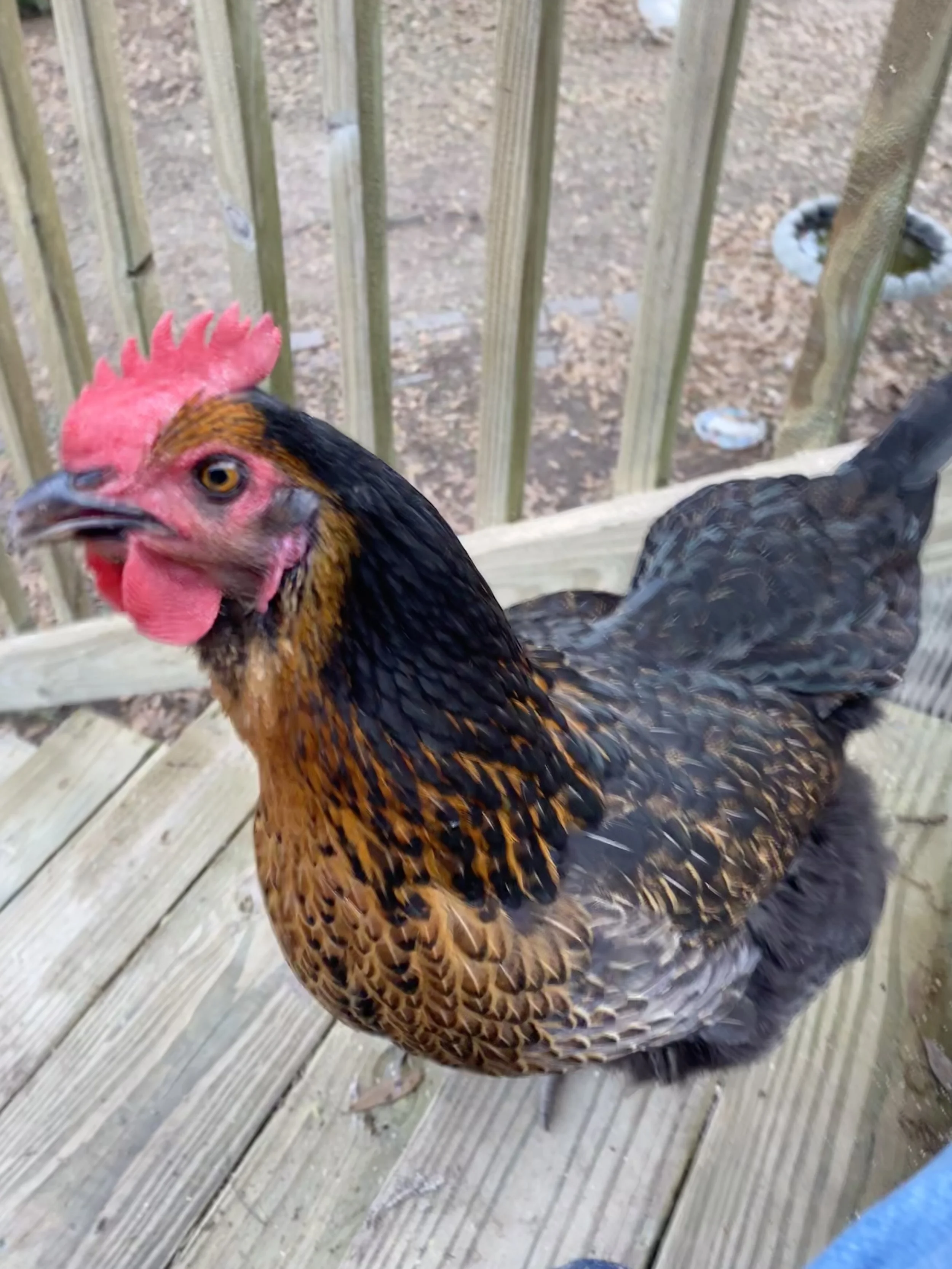
Family favorite, Maryanne was always camera ready
The two Black Sexlink hens from our very first flock were probably the friendliest chickens we've ever had. Sadly, the friendly ones are often the most susceptible to predators, and they are no longer with us. Maryanne and Elvira were both wonderful birds that enjoyed human company. Maryanne enjoyed hanging out at the outdoor dinner table and happily accepted any scraps we offered them.
These chickens are large and attractive, with shiny, iridescent black feathers and brown markings. They are bred to be excellent layers. A mix of Plymouth Rock and Rhode Island Red, these are popular because it's easy to sex the chicks. This particular combination produces different chick colors between males and females. While they are friendly with humans, these are large birds and usually sit at the top of the pecking order. They can be bullies, but overall, they're good leaders and calm birds.
Orpington
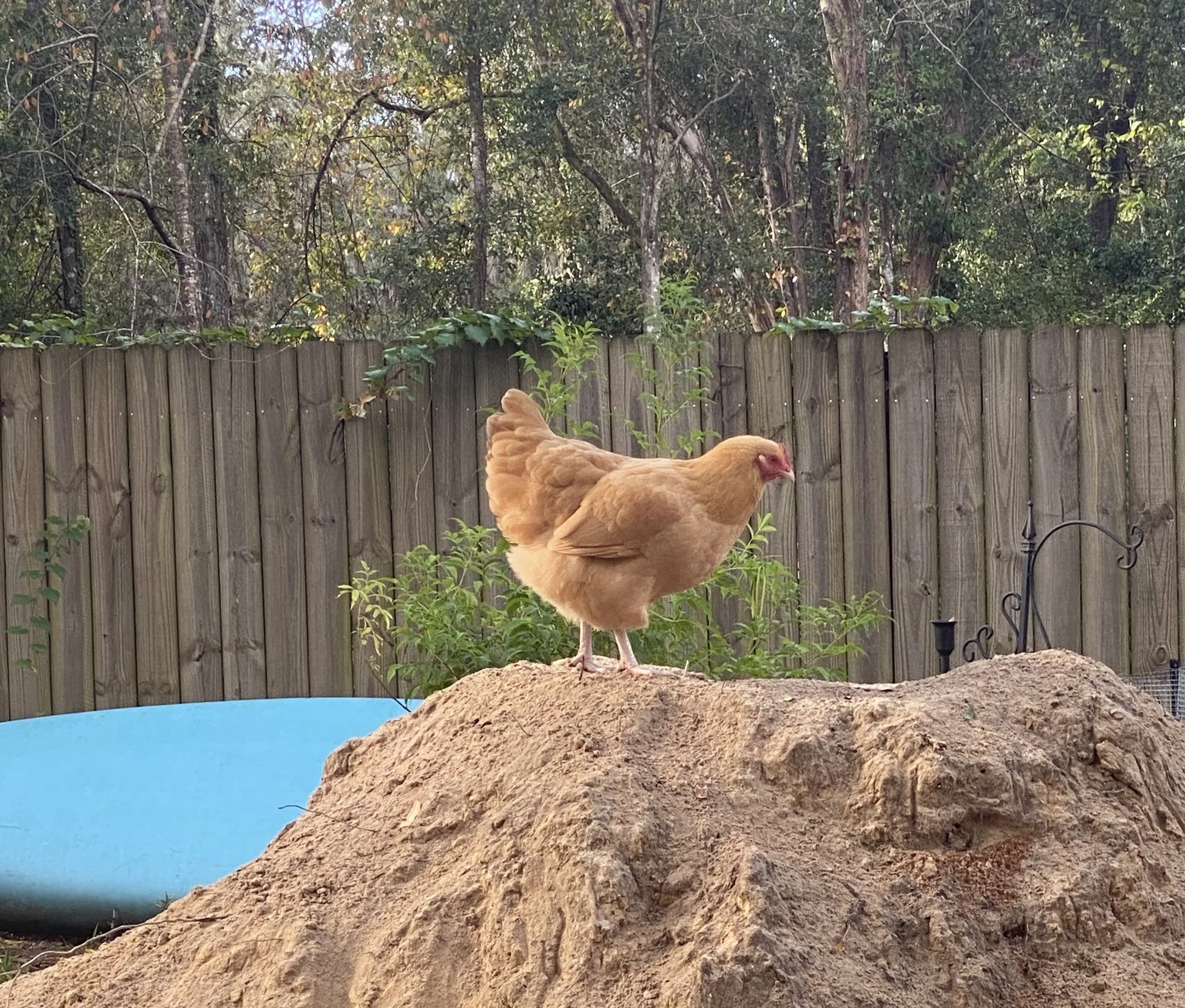
Fluffy, friendly, and curious, Buffy was a great addition to our flock
Orpingtons are a truly wonderful breed of chickens. Large, lovely, and famously fluffy (especially those extra-plush backsides), they’re known for their sweet, docile personalities. The breed comes in a variety of beautiful colors, including Buff, Lavender, Chocolate, Black, Splash, and Jubilee.
Buff Orpingtons are the most common, and you’ll often hear glowing reviews of them. Our very first flock included a sweet Buff Orpington who quickly became a favorite of our children. Since then, we’ve also raised a Lavender Orpington and currently have a stunning Chocolate named Coco Chanel. In every case, these birds have been among the friendliest and most affectionate chickens we’ve owned.
Orpingtons are reliable layers of large, light-brown eggs, producing around 250 eggs per year in warmer climates. They do tend to be broody, more so than many other popular breeds. But this comes with a bonus. When allowed to hatch eggs, Orpington hens are attentive, gentle, and nurturing mothers.
Often called the Golden Retrievers of the chicken world, Orpingtons are easy to love, easy to care for, and a joy to interact with. They’re also a quiet breed, which neighbors will appreciate. They are an excellent choice for families and backyard flocks alike.
Easter Egger
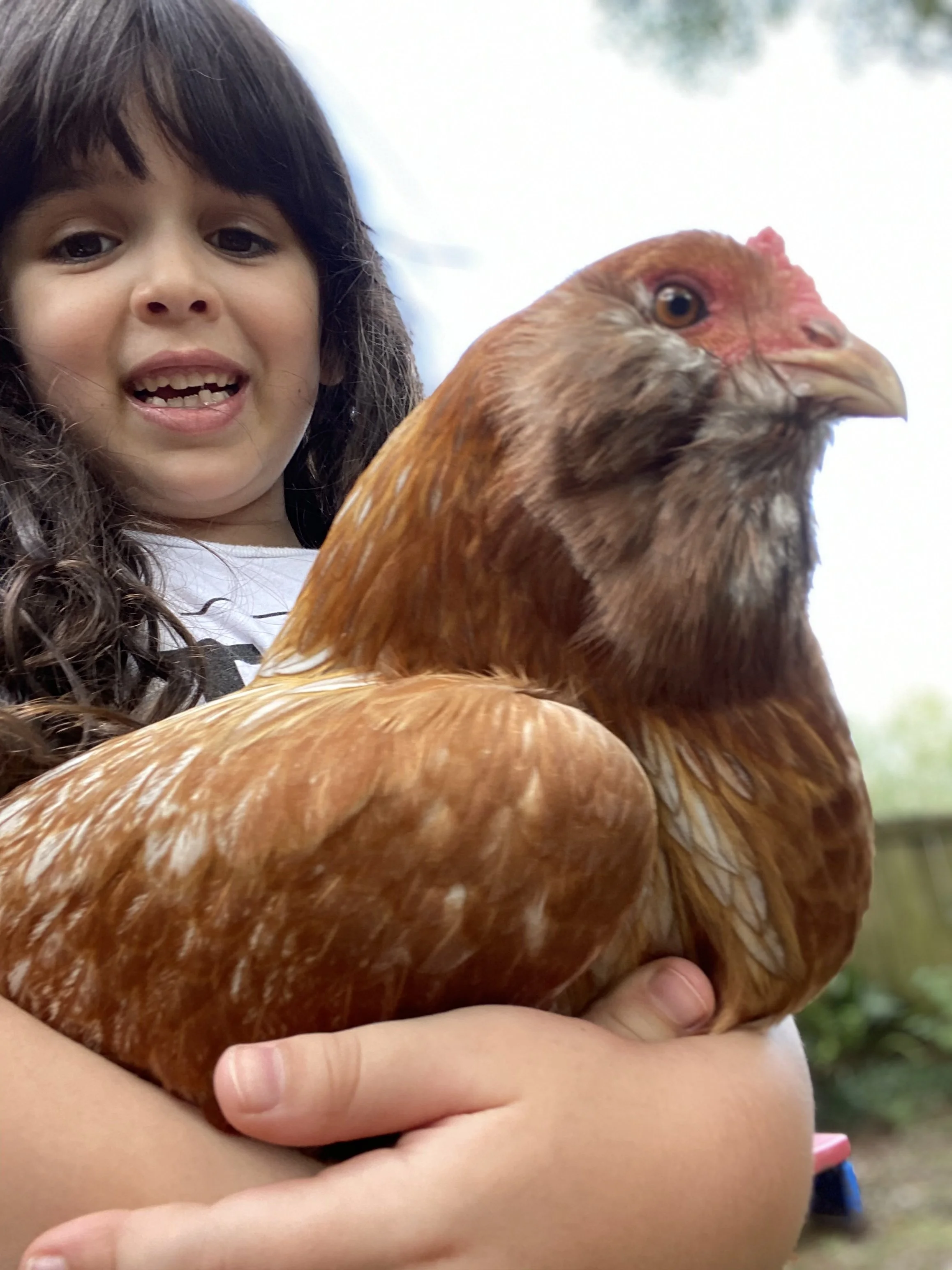
Dolly and Felicity were fast friends
We’ve had several Easter Eggers over the years, and they remain some of my all-time favorite chickens. Gentle, compact, and naturally people-friendly, this breed genuinely seems to enjoy human company. Our very first flock included an Easter Egger named Dolly, who patiently allowed the kids to pick her up and carry her around, making her a family favorite. Dolly was the broodiest hen we’ve ever had, even trying to hatch other hens' eggs after she stopped laying.
Easter Eggers are excellent layers, producing approximately 200–280 eggs per year. They’re a cross-breed, created by breeding a blue egg–laying rooster with a white or light-brown egg–laying hen. The result is a delightful variety of egg colors. Their eggs are most commonly shades of blue and light green. Occasionally, you may get an EE hen that lays pink or light-brown eggs.
If a colorful egg basket is your goal, it’s hard to beat this sweet, friendly breed. Their mixed genetics often result in healthy, hardy birds, and their smaller combs make them more cold-tolerant and less prone to frostbite. When Ameraucanas are part of the breeding, Easter Eggers may also sport charming, fluffy cheeks and beards, adding even more personality to an already lovable chicken.
Olive Egger
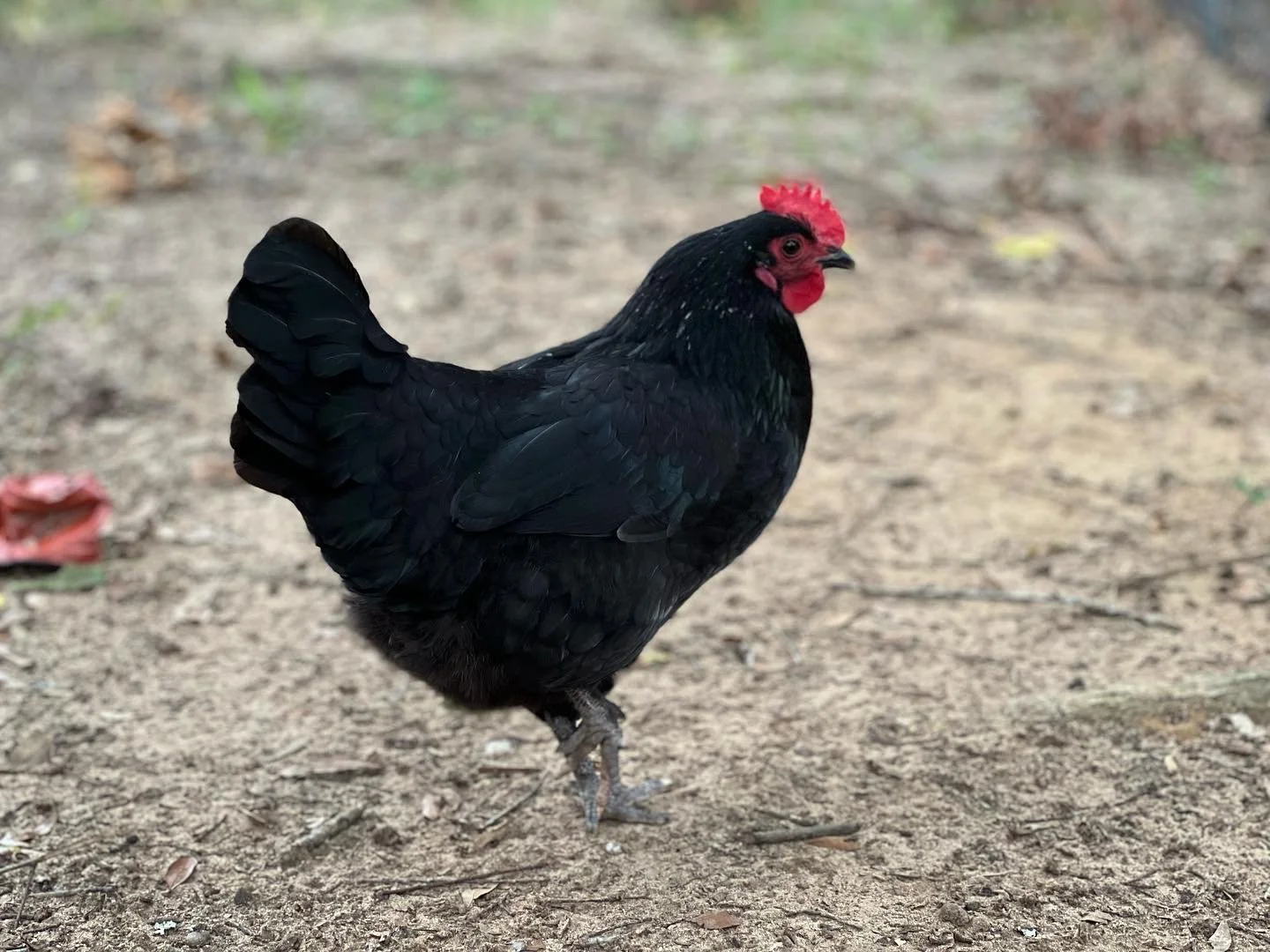
Olive Oyl’s babies are always as beautiful as their mama
I’m including Olive Eggers here because they’re similar to Easter Eggers in both temperament and overall demeanor. The key difference lies in their breeding. Olive Eggers are created by crossing a rooster that carries the blue egg gene with a hen from a dark brown egg-laying breed. The result is a beautifully rich egg color in the olive range.
A quick note on egg color and bloom: the gene responsible for blue eggs affects the eggshell itself. The shell is blue all the way through. Brown eggs, on the other hand, are actually white eggs coated with a brown bloom. This bloom is a natural protective layer applied by the hen just before the egg is laid. It seals the shell's pores, preventing bacteria from entering and harming the chick.
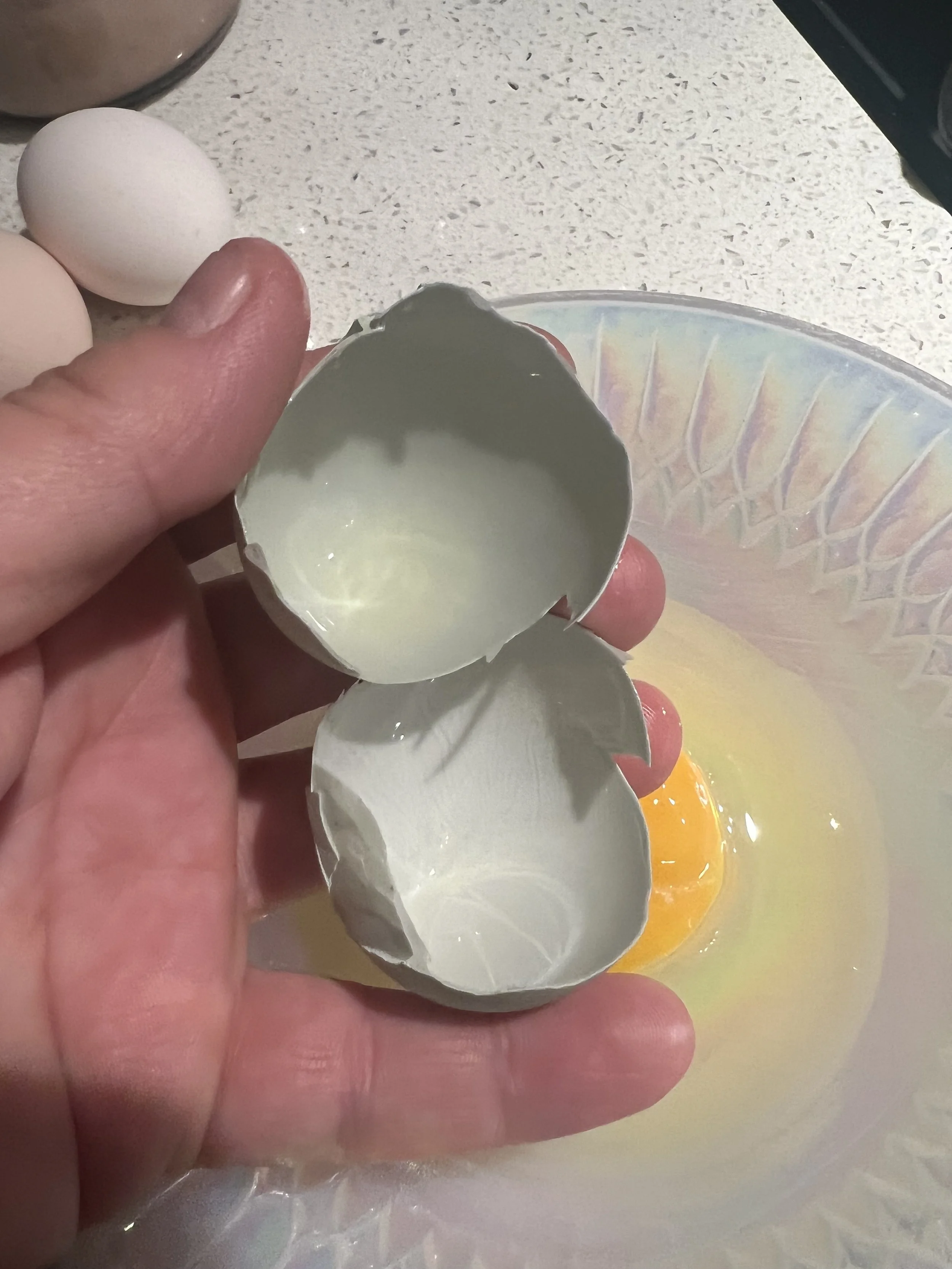
The thickness and intensity of the bloom determine the final egg color. This is why brown eggs can range from light tan to deep chocolate, and may even appear speckled or glossy depending on the breed. In some cases, a very heavy, dark brown bloom can look almost purple as it dries, often with a pale, chalky cast over the darker shade.
Plymouth Rock
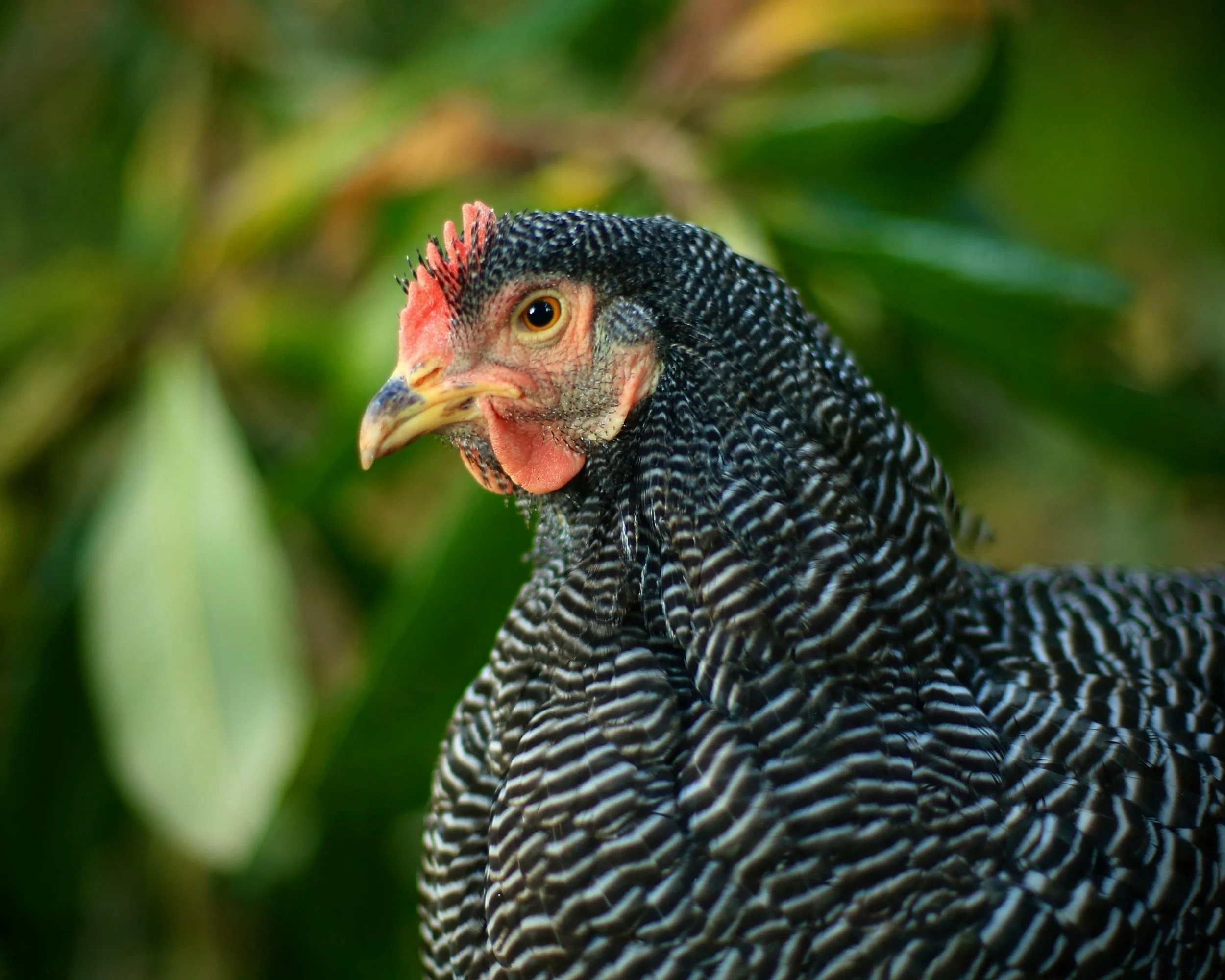
Photo credit: Mao Li
Plymouth Rocks are one of the most widely kept chicken breeds in the United States, and for good reason. These gentle, striking birds lay up to 250 large, light-brown eggs each year. They’re often quite fond of their owners and are typically easy to catch, a trait that especially delights children.
When it comes to cold-weather performance, Plymouth Rocks are a hardy and reliable breed of chickens. They originated in Massachusetts and were developed to withstand the chilly winters of New England. Like many friendly breeds, they can be prone to broodiness. Overall, Plymouth Rocks make a well-rounded and dependable addition to nearly any backyard flock.
ISA Brown
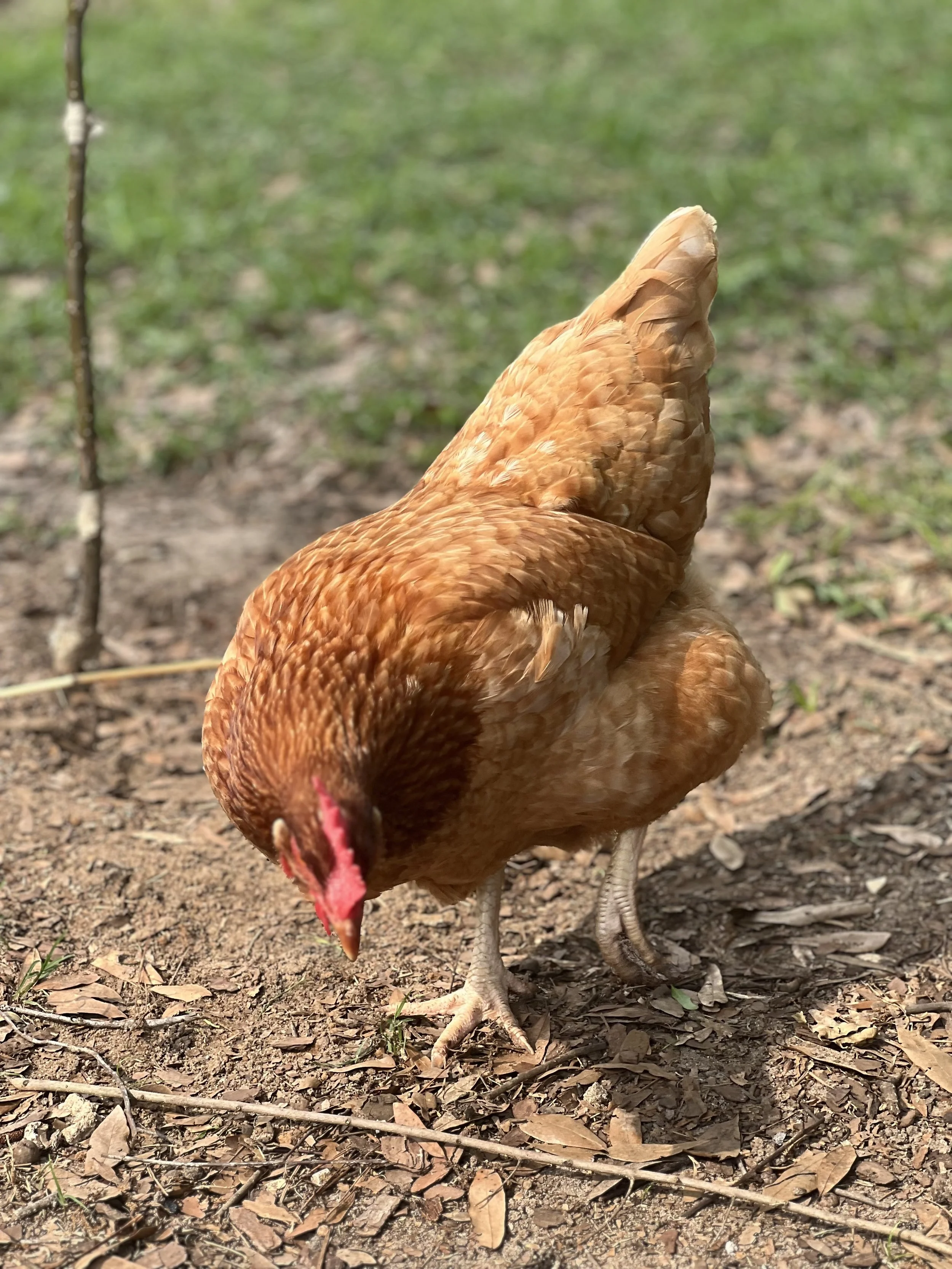
Silly Stacy likes to sleep outside my bedroom window
In our experience, ISA Browns are incredibly fond of people. We’ve had several that preferred sleeping on our back porch rather than in the coop. This is a charming trait, though unfortunately, one that can make them more vulnerable to predators. Several years ago, my sister-in-law brought us five ISA Brown chickens that needed a home. Only one arrived with a name, Stacy. As a result, we ended up calling them all Stacy. As an elder millennial, I happily embraced my role as Stacy’s mom.
Three years later, due to predators, we’re down to just the original Stacy. She’s big, fluffy, and one of the first to come running when we call the flock. ISA Browns also excel in egg production. They’re exceptional layers of extra-large, dark brown eggs, producing around 300 eggs per year.
Isa Browns aren’t a large breed overall, and they have an excellent feed conversion rate. These chickens lay large eggs while requiring relatively less feed. They’re also enthusiastic foragers, making them an efficient, productive, and people-friendly addition to a backyard flock.
Marans
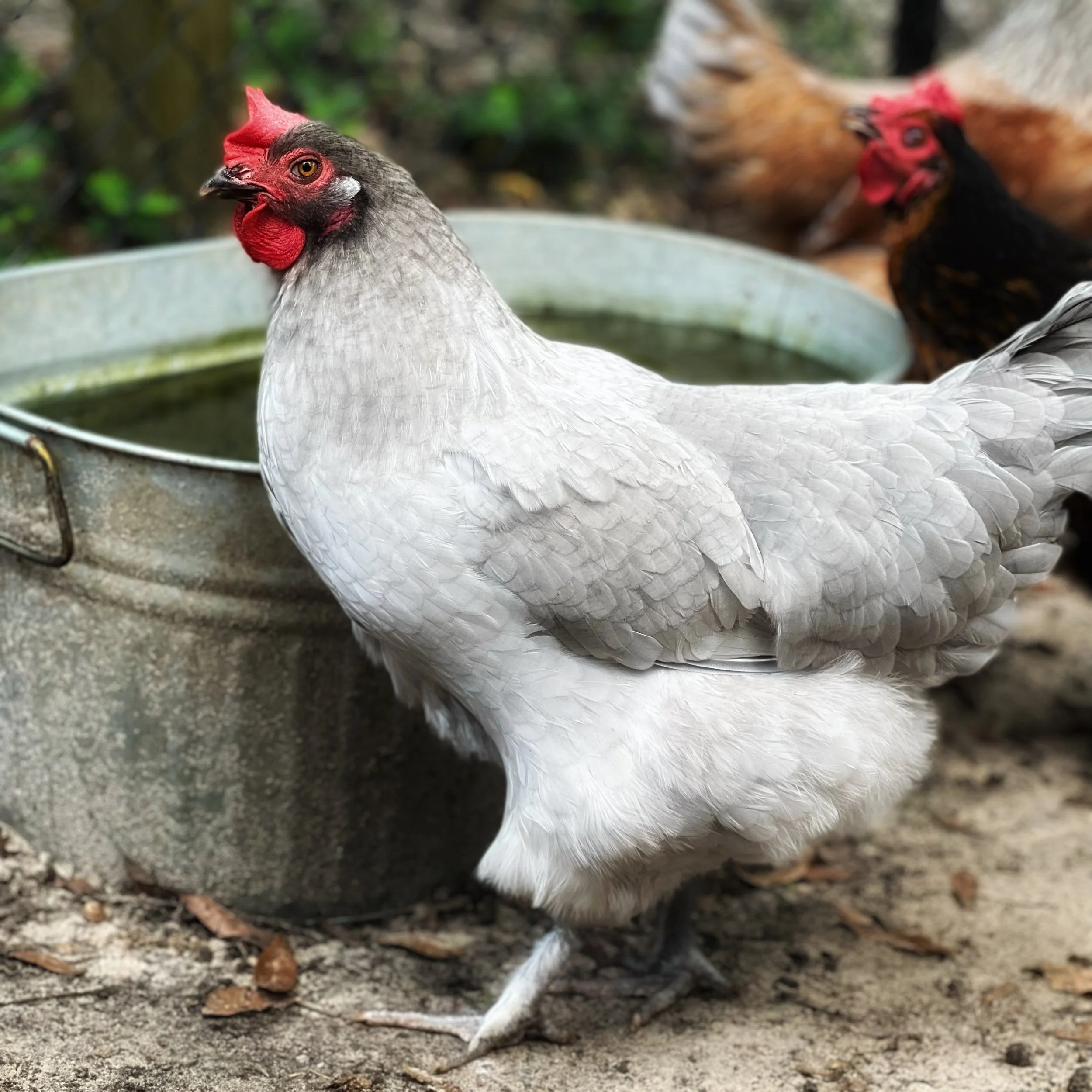
Beautiful Eponine the Lavender French Marans
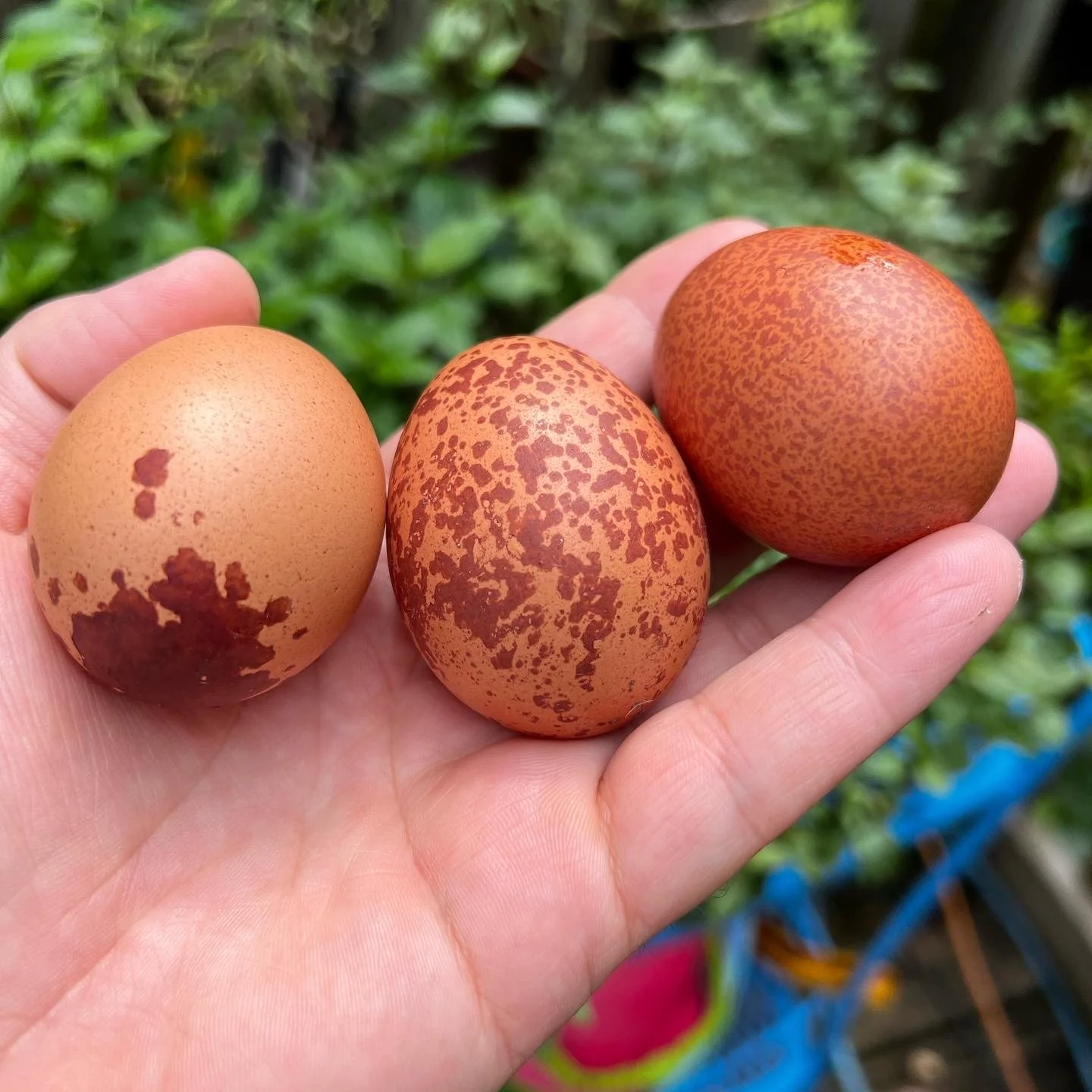
When it comes to egg laying, Marans are among my favorite chicken breeds. The Black Copper variety, in particular, lays some of the darkest eggs of any breed I know. They’re deep chocolate brown, often accented with an even darker spray of speckles. Beyond their beautiful eggs, Marans are a large, striking breed with easygoing, friendly personalities.
Marans chickens originated in France, though an English variety also exists. French Marans are known for their distinctive feathered feet, a trait not found in the English type. One of the sweetest and friendliest birds we’ve ever owned was a Cuckoo Marans named Sophie. She was a gentle, middle-of-the-pecking-order hen who got along beautifully with the rest of the flock and was easy to handle.
Silkie
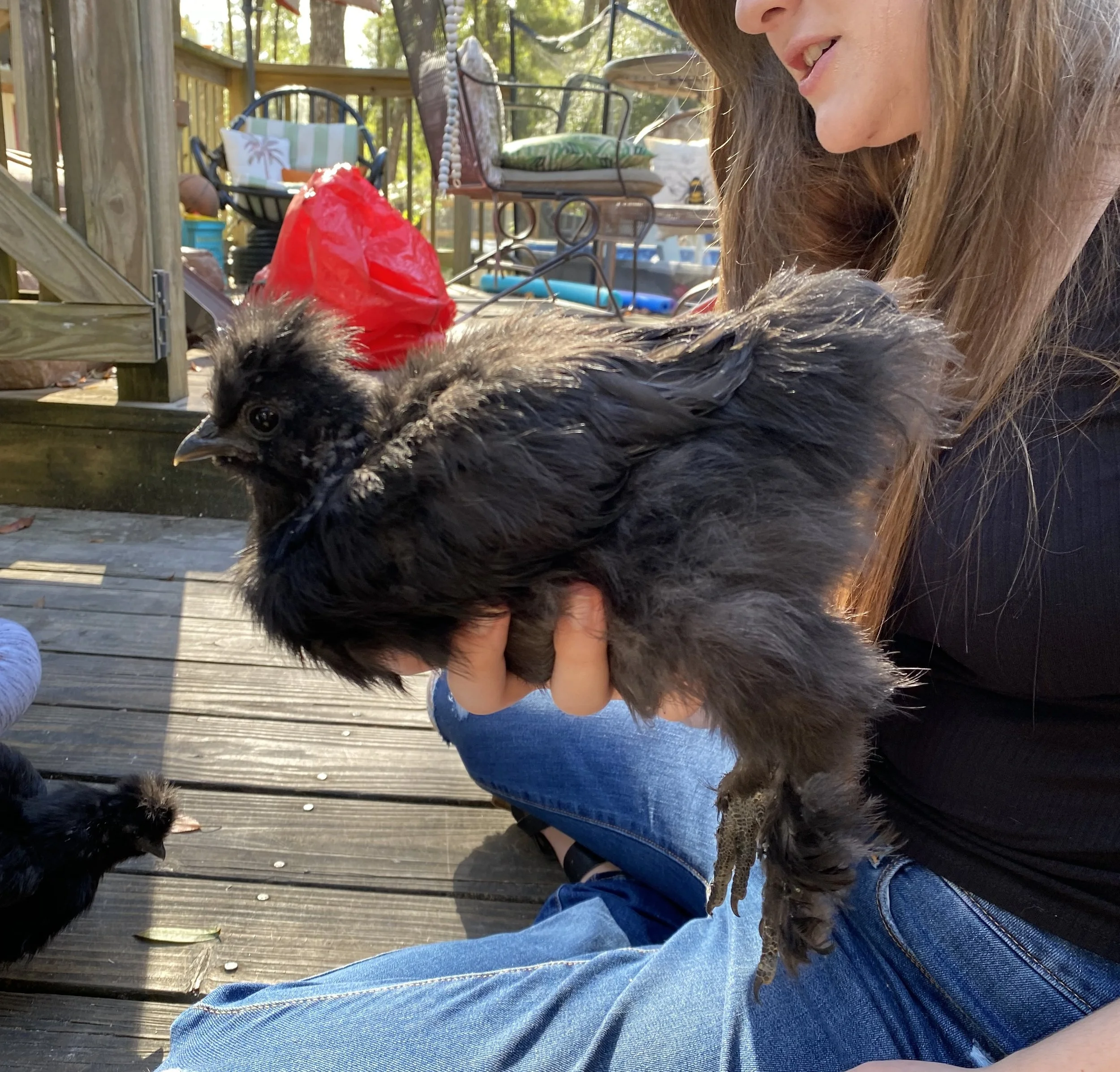
Silkies make sweet pets, but they aren’t great egg layers
When it comes to their value as pets, Silkies are truly wonderful chickens. This small, friendly breed is famous for its fluffy, fur-like feathers. Unlike most chickens, Silkie feathers lack the stiff central barb, which gives them their signature soft, fuzzy texture. With their poofy crests and feathered legs and feet, they have a unique, charming, and entertaining appearance.
Silkies also have black skin, a rare trait shared by only a few chicken breeds, along with blue earlobes. They aren’t known for egg production; they lay fewer than 200 relatively small eggs per year. However, they more than make up for it in personality. Calm, docile, and incredibly sweet, Silkies are an ideal choice for anyone looking for friendly, pet-like chickens rather than prolific layers.
Wyandotte
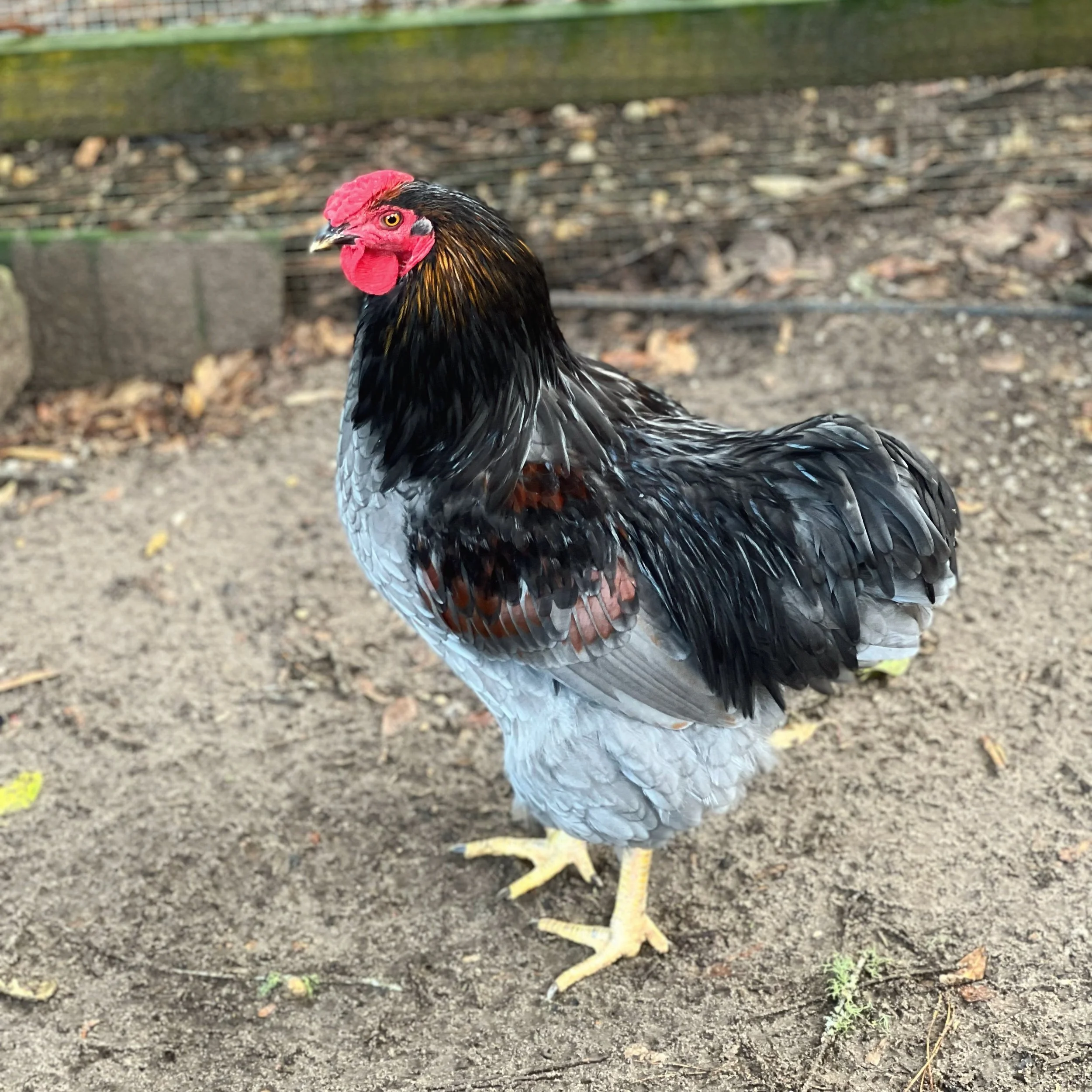
Beautiful Bruce the Wyandotte Roo
Wyandottes are a truly stunning breed with equally wonderful personalities. We’ve had more than one Wyandotte rooster, and they’ve consistently been easygoing and non-aggressive. This is an excellent trait for backyard chickens. While their striking appearance often draws people in, Wyandottes offer many other qualities that make them an ideal addition to a flock.
They’re intelligent, responsive birds and capable foragers who prefer to stick together as a group. Although they aren’t especially snuggly, Wyandottes clearly enjoy human company and will often follow you around the garden. Their size usually places them near the top of the pecking order, but their calm, even-tempered nature means they coexist well with other birds. They’re confident without being pushy, never bullying, but not easily intimidated either.
Wyandottes are relatively quiet chickens, and they’re dependable layers. They produce around 200–250 large, light-brown eggs per year. Their most recognizable feature is the beautiful lacing of their feathers, which gives them a striking, unmistakable appearance and makes them a favorite among backyard chicken keepers.
Faverolle
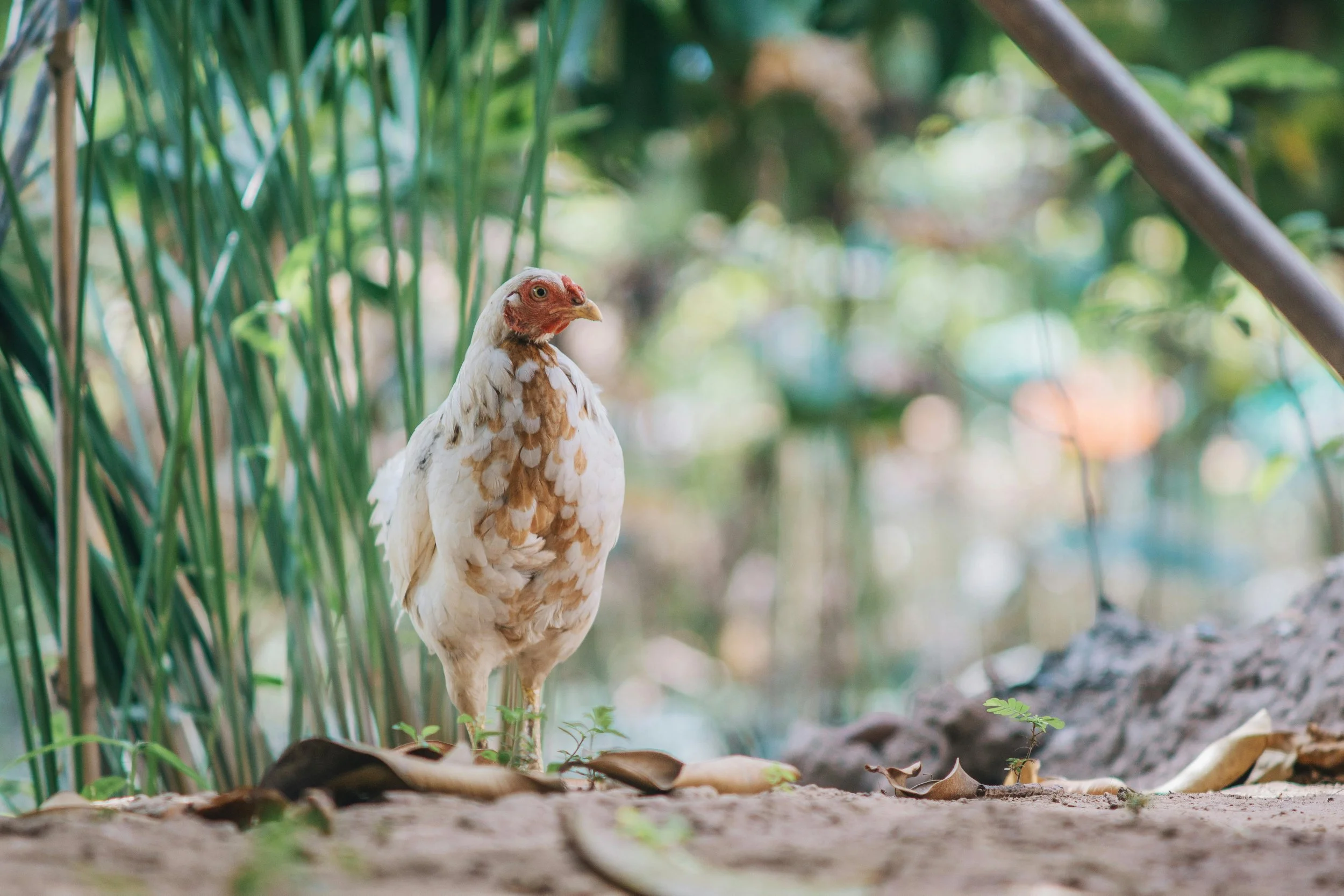
Photo Credit: FOX ^.ᆽ.^= ∫
Faverolles are the one breed of chickens on this list that I haven’t had personal experience with yet. But they’re at the top of my list to add to our flock this year. This French breed is known for excellent cold tolerance and adorably fluffy bearded faces. They have soft, buff, and cream colored feathering, muffs, and feathered legs that give them a sweet, charming appearance.
Faverolles are widely regarded as friendly and docile birds. They’re known for a talkative, quirky nature that many keepers love. They tend to be calm and gentle, making them great companions in backyard flocks.
If you’re considering keeping a rooster, I’m told that Faverolle roosters are lovely, generally non‑aggressive, and sweet. That said, all roosters can become unpleasant in the wrong circumstances. If you plan to keep one, handle him often while he’s young to help him grow up friendly and less likely to chase people.
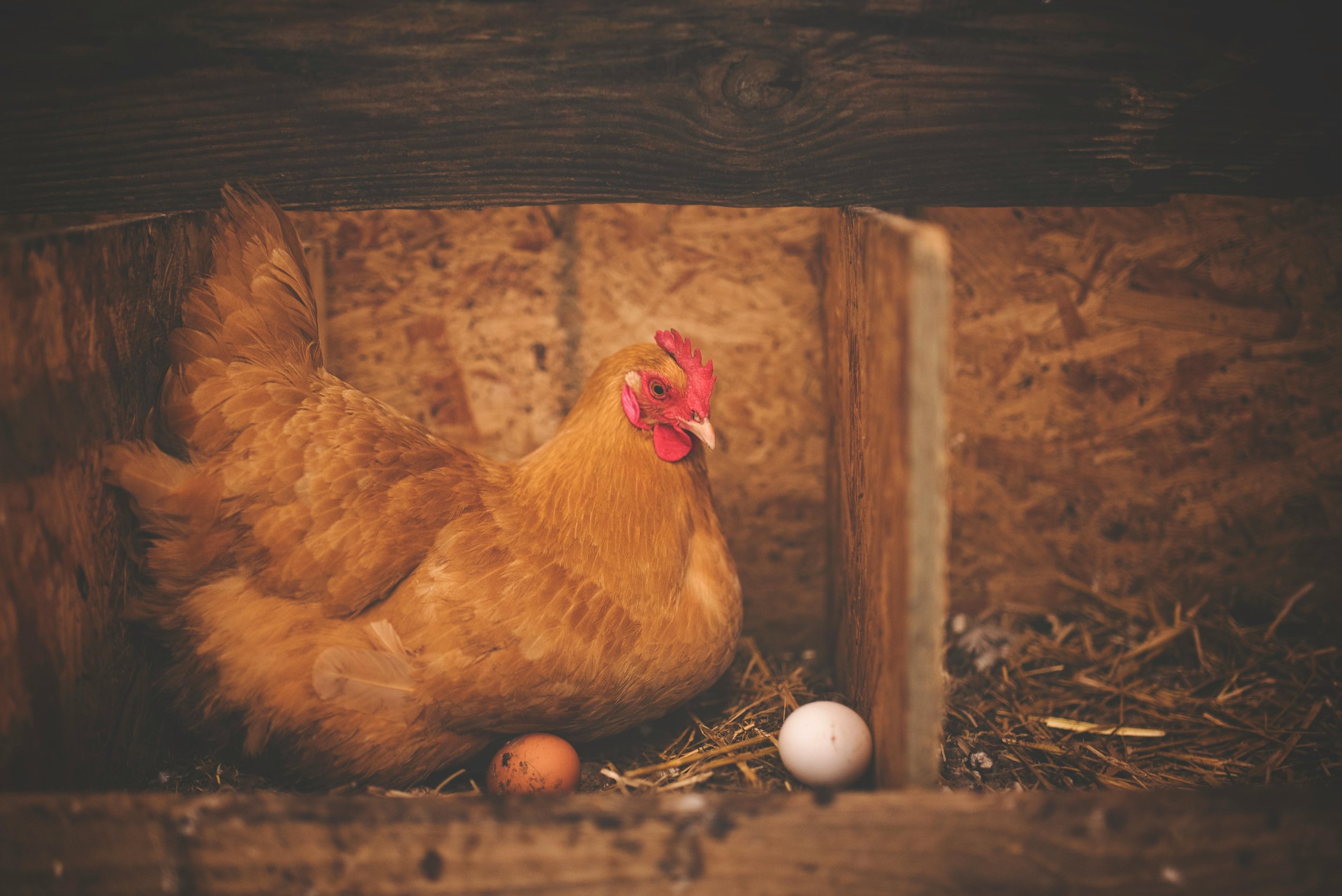
Fluffy Cochins make great mothers Photo Credit: Alison Burrell
Cochin
Cochins are a large, docile breed of chickens that seem genuinely to appreciate interacting with humans. Their size usually keeps them from being bullied in a mixed flock, but their calm, sweet demeanor means they’re rarely at the top of the pecking order. Cochins are known for their gentle, friendly nature, making them especially appealing as backyard pets. Cochins are a wonderful breed for children, who often delight in their appearance and friendly nature.
In terms of egg laying, they’re just okay. Expect about 2–3 large brown eggs per week during the laying season. If you want a pretty breed, Cochins are gorgeous chickens. They are big and fluffy with fully feathered legs and feet. This breed has a soft, rounded appearance that many people love. They are also prone to broodiness and, if allowed, will make doting mothers; Cochin hens are famous for sitting on eggs and raising chicks.
