
Red Light Therapy is the New Tanning Bed
If you’ve ever had a Playboy bunny-shaped tan line just below your hip bone, this one is for you. That’s right, I’m talking to the tanning bed brigade and everyone who came before and after, who skipped sunscreen in their teenage years and beyond. If you’re paying the price for that UV exposure, it might be time to consider red light therapy.
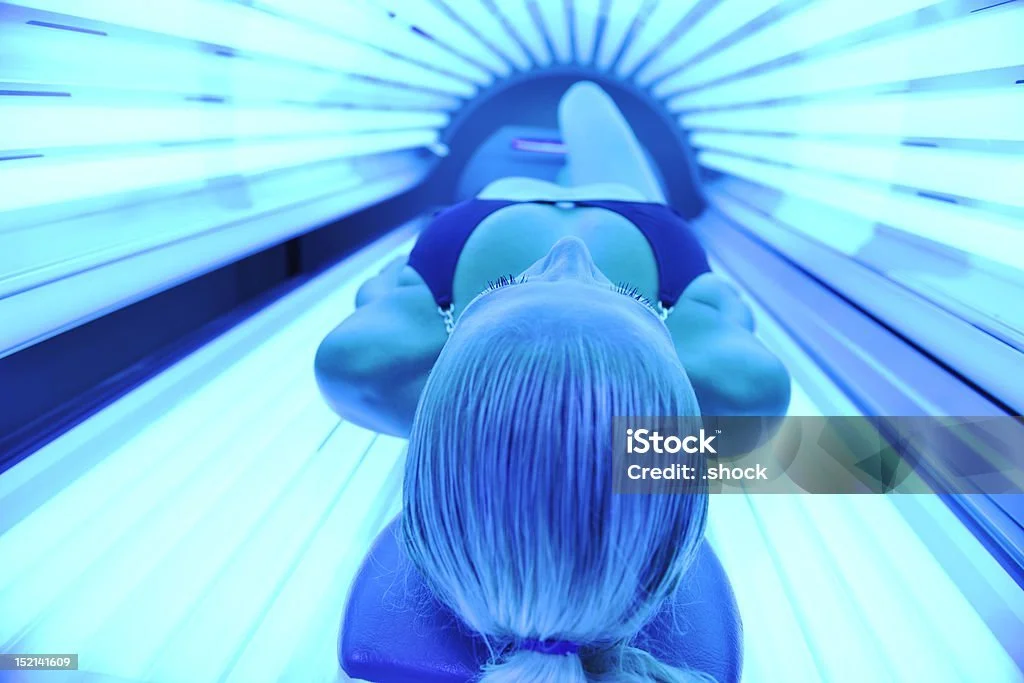
Tanning beds were the Achilles heel of millennial beauty history. Gen Xers, I’m not excluding you. As a xenial, or someone who is ‘on the cusp,’ I know that you partook in this ritual, too. Either way, it seems that many of us, myself included, fell prey to the results of the tanning bed in our youth. It’s possible that a different type of light exposure could help undo some of the damage.
Red light therapy is making headlines and gaining popularity quickly. For those of us who worked hard to achieve our hyperpigmentation, it might just help undo some of the damage. Red light therapy is touted by dermatologists and influencers alike for treating a range of skin issues, including reversing the signs of aging and reducing hyperpigmentation. But there are some important factors to consider before investing in a device.
What is Red Light Therapy?

Credit: Oleh Bilovus
Red light therapy is a type of photobiomodulation (PBM). Another term for this treatment is low-level laser therapy (LLLT). LLLT uses non-ionizing light sources to achieve therapeutic results. It's commonly used to reduce inflammation, promote wound healing, and improve skin conditions. Different frequencies of red and infrared light are applied to areas of the body to achieve these remarkable results.
LLLT is not a new therapy. It dates back to the 1960s when Paul McGuff of Boston discovered its use in curing malignant tumors in rats. Further experimentation with various intensities showed promise in wound healing and hair growth. At the time, high-power thermal lasers were the standard for these procedures. The discovery that low-level lasers could achieve similar results was a huge step toward making these effects more accessible to the public.
Credit: Ahmad Juliyanto
A limited understanding of factors such as wavelength and power density initially led to a series of controversies in the early years. However, in recent years, a greater understanding of these factors has led to impressive results. We can now rely on more advanced studies to identify the benefits of LLLT.
Red Light Therapy in Skin Care
Credit: Oleg Gapeenko
If you're someone who stays up to date on the latest skin care products and devices, you've no doubt heard about light therapy. It's touted for reducing inflammation, treating acne, and reversing the signs of aging, among other benefits. It has also been found effective in reducing UV-induced damage. That's right, with consistent use, it can help undo the lasting effects of sun damage!
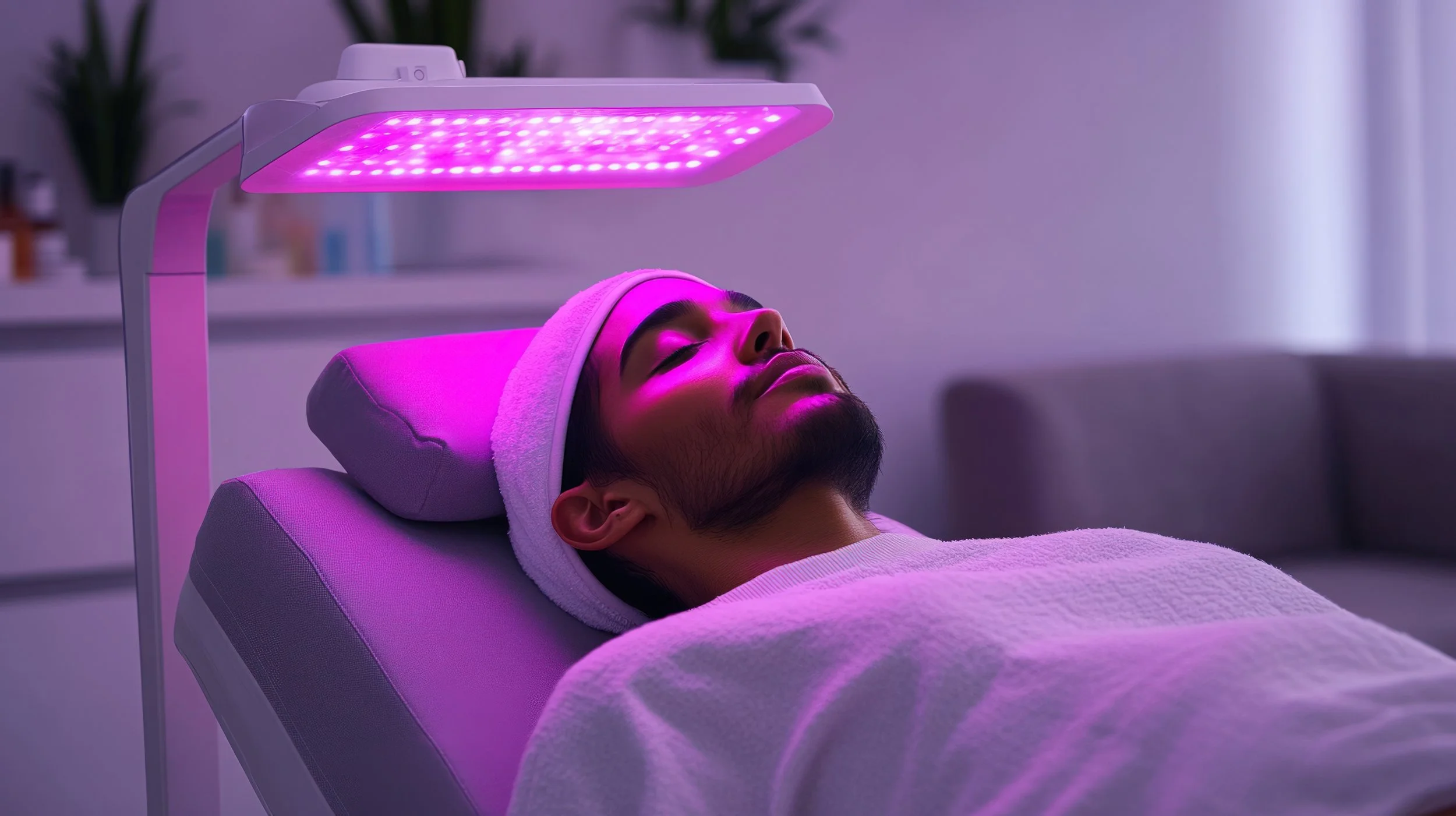
Until fairly recently, red light therapy devices were quite expensive. If you wanted to experience the benefits, you had to pay top dollar and make an appointment with your dermatologist or med spa. Because it requires weeks to months of treatments to see lasting results, this was inaccessible to many. Purchasing and scheduling three to five treatments per week for months is simply not possible for most of us.
Credit; Asih Wahyuni
The early 2000s saw the first real push of home red light therapy devices available for purchase. Even these were costly if you wanted one with proven effectiveness. Over the last two decades, however, more effective products have become available for home use, which is great news for regular folks who want to give it a try.
As with most products, increased supply and competition among retailers have made these devices more affordable. You will find that they now come in a wide range of prices, from about $50 to $500 for smaller ones. If you want to go high-end, you can spend up to $2500 on a mask. A full-body device will run you upwards of $5,000 for a high-quality device.
Choosing A Device
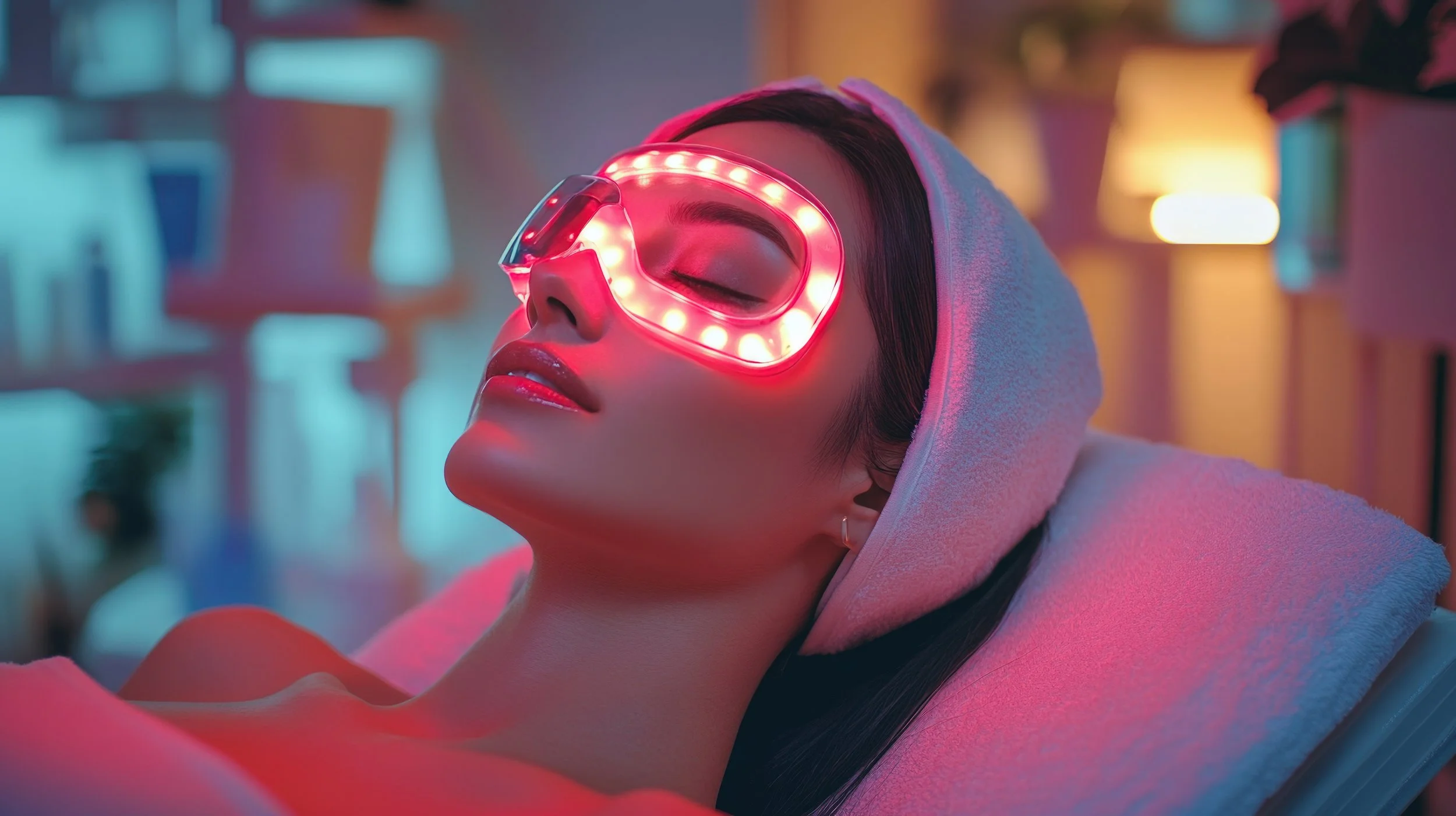
It's now generally accepted by experts that many of these home devices are as effective as, or nearly as effective as, professional treatments. That is, if you are consistent about using them. With few to no side effects, these products are safe and proven useful for skin rejuvenation and hair regrowth. The caveat is that, like most home products that claim to replace professional ones, there are plenty of cheap knock-offs.
Credit: Ahmad Juliyanto
Before we discuss what to look for in a device, let’s take a minute or two to talk about different wavelengths of light. Red light devices are the most popular, but other light colors offer additional benefits. Some devices include multiple colors for these added effects.
Wavelengths
Credit: Ideal Eksis
Most home devices on the market focus on red and near-infrared wavelengths. The most important factor in choosing an effective device is finding one with the right wavelength range. The wavelength of the light determines how deeply it penetrates the skin.
Ultraviolet light, which causes negative effects on the skin, also has the lowest of all wavelengths (100-400nm). UV only penetrates the upper layers of skin, the epidermis, less than one mm deep. Though it doesn’t go deep, it causes premature aging, sunburn, and can even distort DNA.

Credit: Habibur Rahaman
Blue light at a wavelength of about 400-500 nanometers (nm) penetrates the skin to a depth of about 1 mm. For individuals with a normal skin thickness on the face, this reaches just below the epidermis. This is the best color for treating acne. Blue light targets Cutibacterium acnes bacteria. It's most effective for this purpose when combined with red, which enhances its anti-inflammatory benefits.
Credit: Wanlop Pinyowong
Green light (495-570nm) penetrates the skin at a depth of roughly 2.5mm. At this depth, it can reach the dermal layers. It's best for treating hyperpigmentation and soothing inflammation. Exposure to green light therapy also shows promise in treating migraines, though the research is not well established.

Credit: Worapot Piromya
Yellow/Amber light (570-620nm) penetrates the skin to a depth of about 4 mm. The effects of yellow light therapy are less conclusive than those of red and infrared. However, it shows promise in treating chronic skin conditions such as rosacea and eczema. It may stimulate red blood cell production. Some people report improvements in skin clarity after using yellow light therapy. It may also improve lymphatic drainage.
The real heroes of LLLT for skincare include red and near-infrared lights. Red (620-750nm) can penetrate the skin 5 mm or deeper. For those with thicker skin (men typically have thicker facial skin than women), the effects may be less profound. However, with continued use you should still see the benefits.
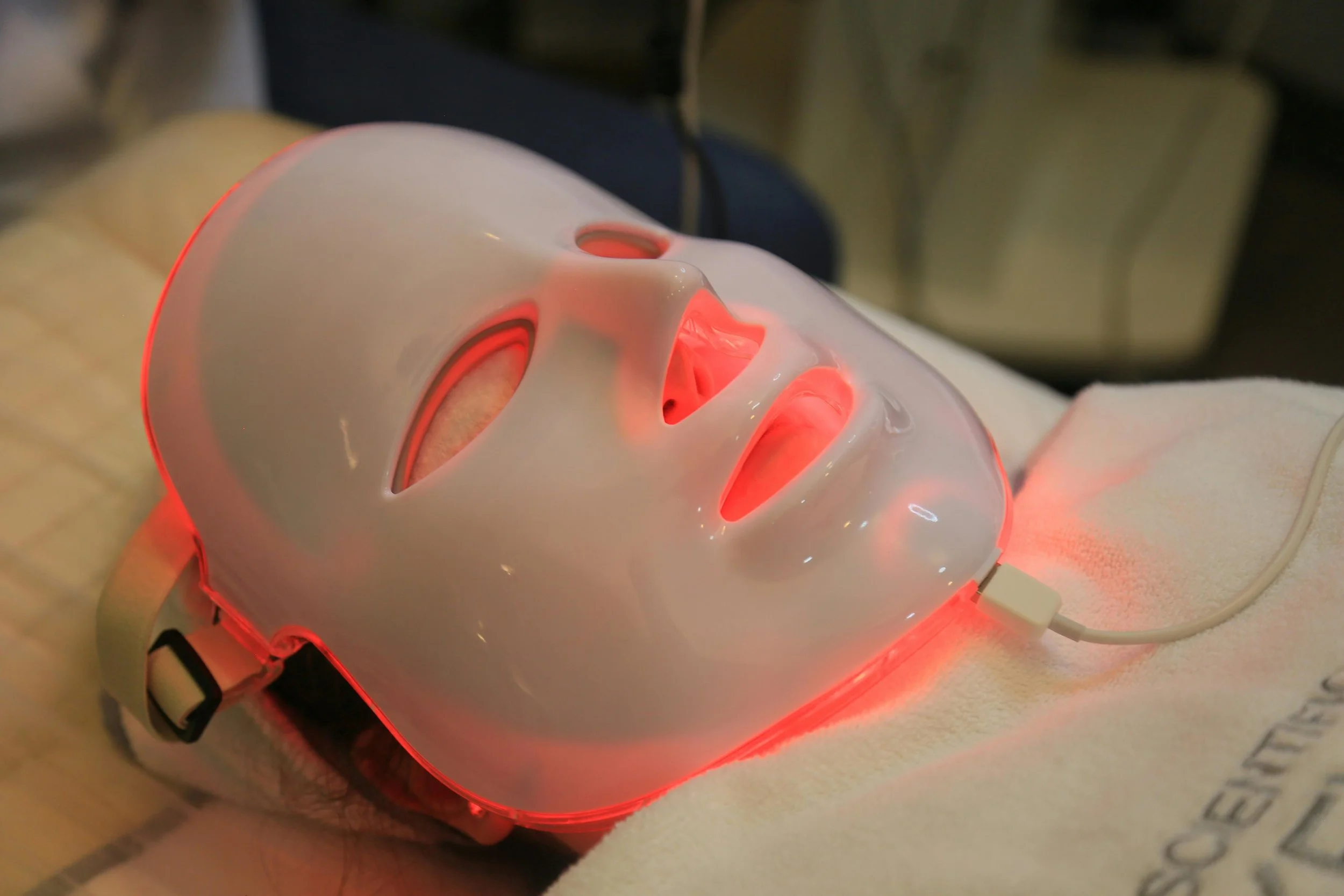
Red light therapy has been proven to stimulate collagen production. With regular use, it provides significant wrinkle-reduction benefits. It can also improve skin texture and reduce the appearance of scars. With few to no serious side effects, this makes it a great tool for overall skin rejuvenation.
Some home devices also include near-infrared lights. Near-infrared (700-2500nm) wavelengths can penetrate deeper than visible light wavelengths. It can reach down to the subcutaneous tissue. This non-visible light is effective in skin rejuvenation and wound healing. It can also help reduce inflammation and relieve pain.
What to Look For
Credit: Ahmad Juliyanto
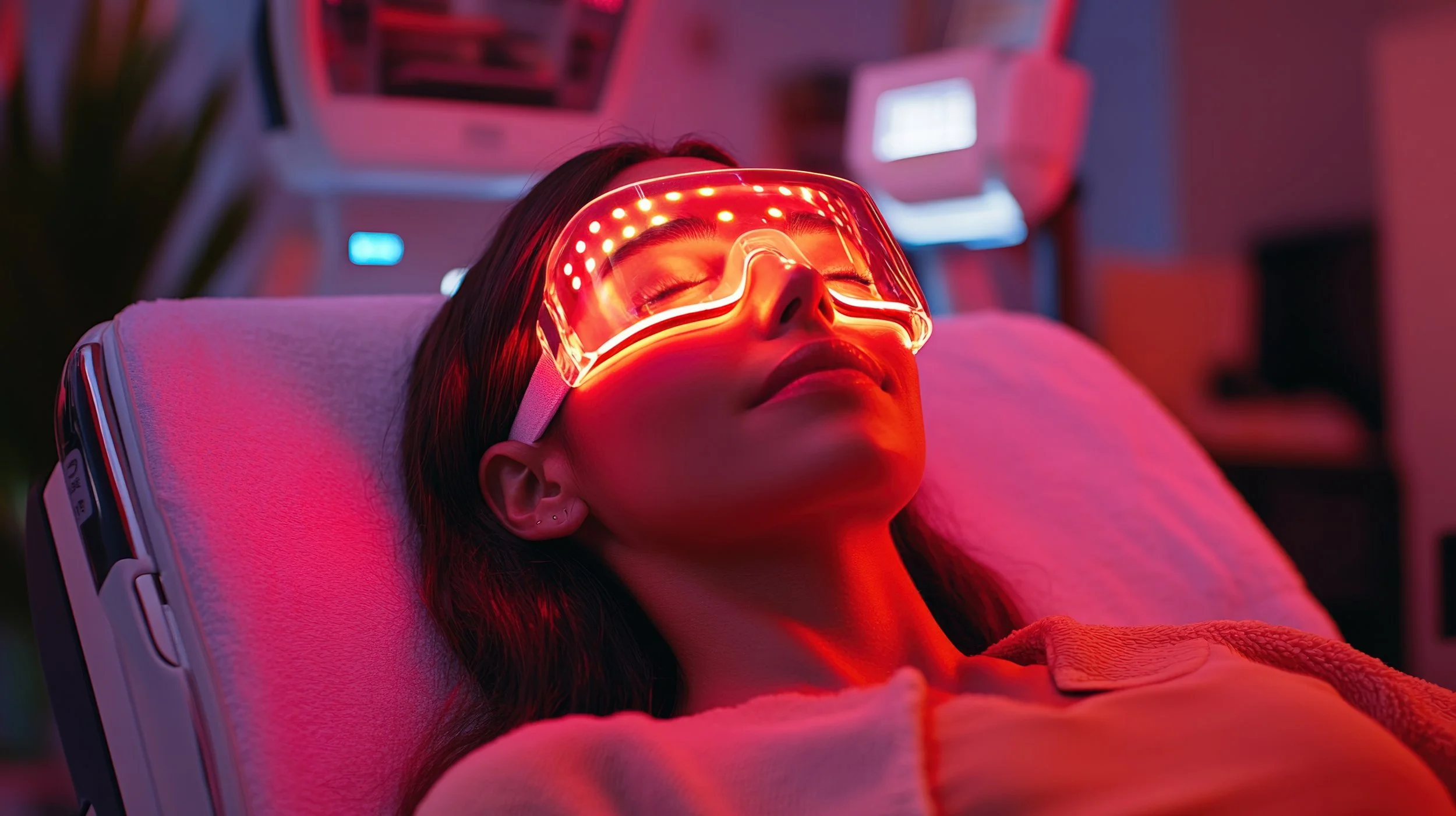
With so many devices on the market, it's important to know how to determine their efficacy. Irradiance is one important factor. This is the power of electromagnetic radiation. It determines how much energy is incident on the surface at any given time. Higher irradiance levels are more effective. Look for devices with an irradiance of 20-100 mW/cm² for skin care and general use.
The other important factor is the wavelength. For red light therapy, look for wavelengths between 630nm and 680nm. You may see results with wavelengths as low as 610nm, but they won't be as effective. For near-infrared devices, look for a wavelength range of 800-830nm.
Frequency of Use

Credit: Ismael Juan
Most devices will give you recommendations on frequency and duration of use. Feel free to follow these at your convenience. Some generally accepted guidelines include two phases: a starting phase and a maintenance phase.
Starting Phase

Credit: Thodsapol Thongdeekhieo
When you first get started, you'll want to use your device more frequently. For skin rejuvenation, start with three to five sessions per week. You should begin to see positive effects after about a month of consistent use. For most devices, a 10-20 minute session is ideal.
Maintenance Phase
After the first month, you can reduce the frequency of sessions. One to three sessions is reccommended. If regular assessment reveals a decrease in your results, stick to the higher end of that range. I try to use my red light three times a week.
I also like to use my red light after an intense exfoliation or extraction session to reduce inflammation and redness. If I have a blemish popping up, I use my light in that spot for about 15-20 minutes. It doesn't make them go away overnight, but it significantly reduces inflammation and discomfort.
Personal Results
For me, the immediate results of a red light therapy session are a major perk. If I want to increase blood flow and get a soft, even, rosy glow before an event, I use it during the day. Otherwise, I typically use my red light at night, before bed. I've found it quite effective at minimizing wrinkles around my lips. So far, I've managed to avoid fillers, and I attribute this largely to using the light.
I’ve used my light consistently for about 4-5 years. I use a LightStim with two red wavelengths (630 and 660nm), an amber wavelength (605nm), and an infrared wavelength (855nm). It costs about $250, is FDA-cleared, and is manufactured in the USA.
My mother, who is 72, has been using the same device consistently for the last decade. As women in their 70s go, she has incredible skin. She's had no fillers, surgeries, or neurotoxins, and is a faithful user of Dermalogica skincare products.
If you've been on the fence about purchasing a red light device, I hope this will help you to make an informed decision. Since this can be a significant investment, it's good to know that you are purchasing an effective product!
